

The Role of Carrier Plates (Cover and Bottom Plates) in PCB Lamination
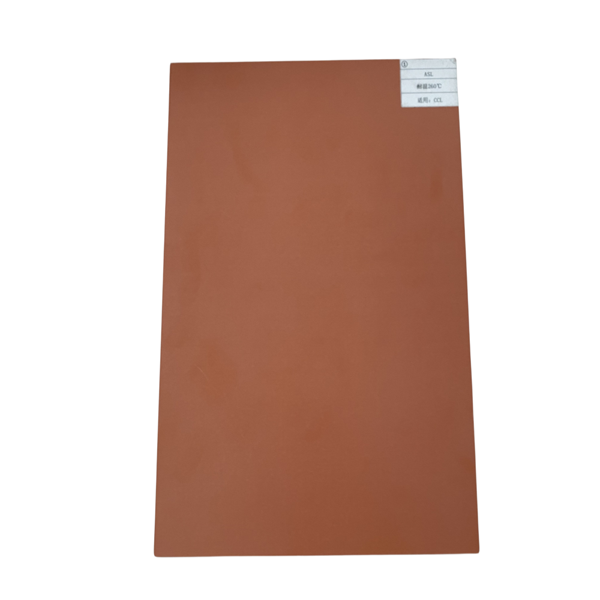
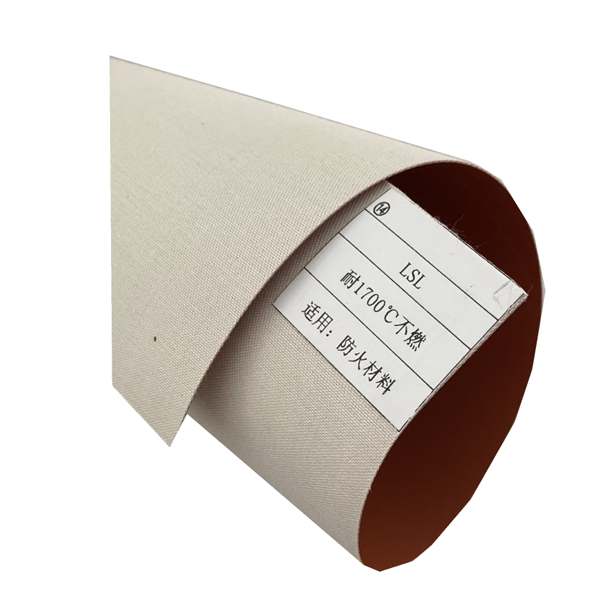
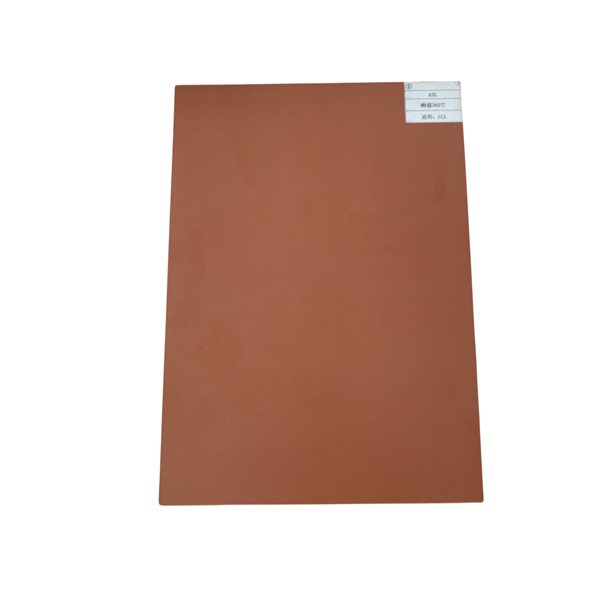
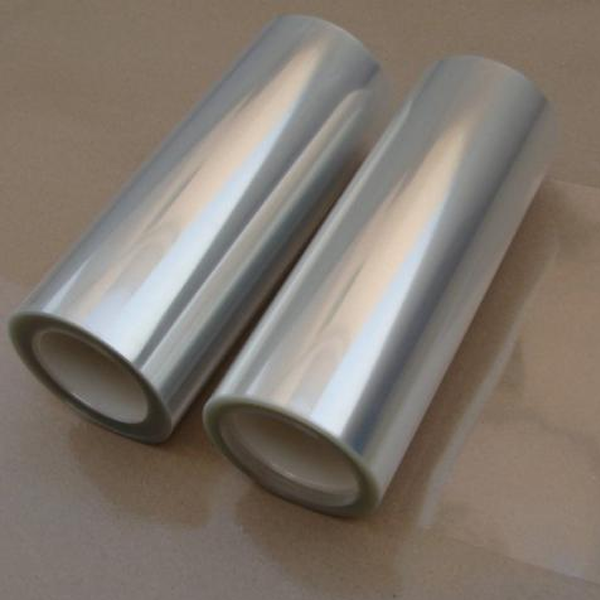
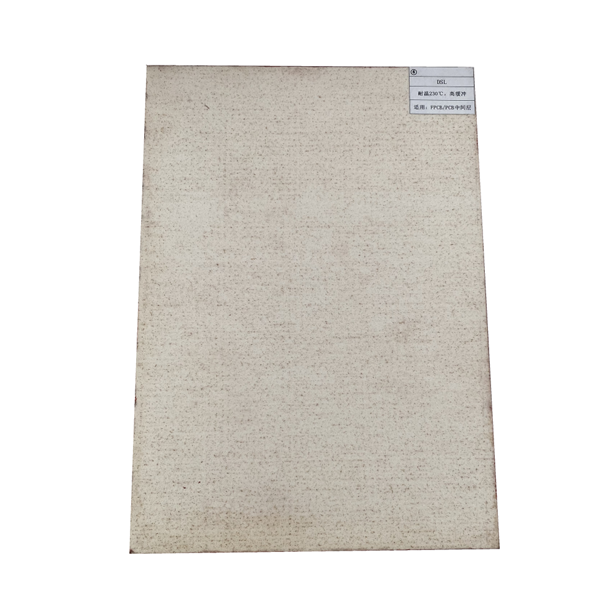
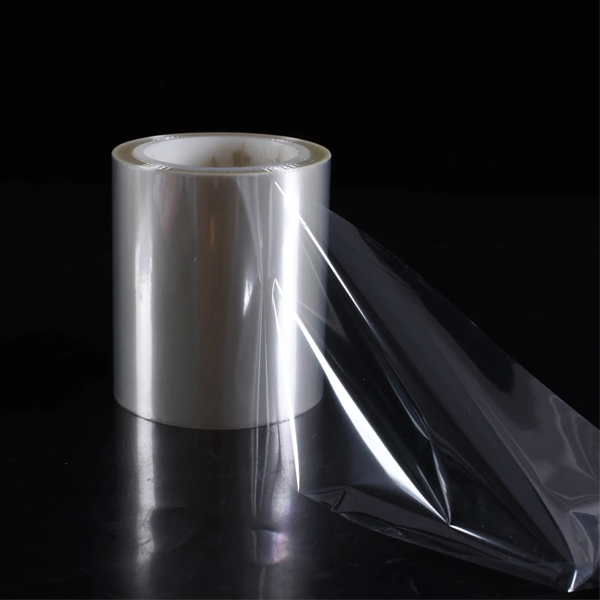
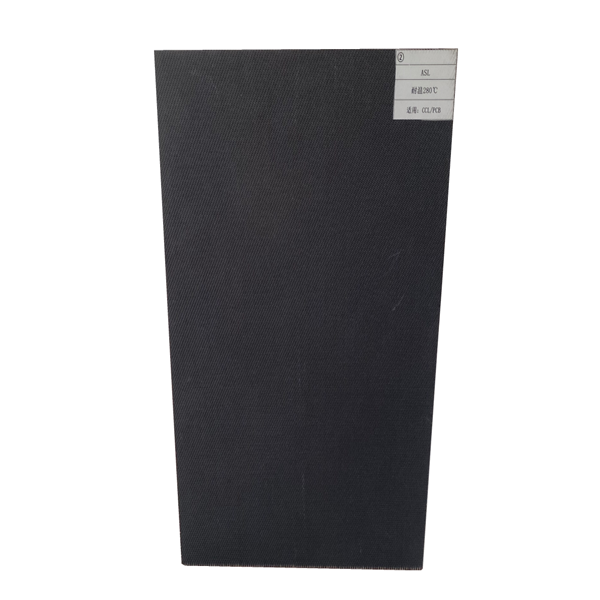
In PCB manufacturing, lamination is a critical step that directly affects the final product’s quality and performance. Carrier plates—made up of a cover plate and a bottom plate—play a key role in this stage. This article outlines their main functions and importance.
1. Mechanical Support and Protection
1.1 Maintaining Structure
During lamination, PCBs are exposed to high heat and pressure. The carrier plate provides a solid base for the PCB stack, which includes core layers, prepreg, and copper foils. The bottom plate supports the entire stack, preventing shifts or warping under pressure. For example, in high-density interconnect (HDI) PCB production, precise layer alignment is essential—the carrier plate helps keep layers in place, avoiding misalignment that could cause electrical faults.
The cover plate protects the top PCB layer from direct contact with the press equipment, reducing the risk of scratches, dents, or surface damage. If the press plates are uneven or have debris, the cover plate absorbs the impact and shields the board.
1.2 Isolation Between Boards
In multi-PCB lamination runs, carrier plates separate each PCB stack. The cover and bottom plates prevent resin or copper particles from transferring between boards, which is especially important in high-volume production. They also help distribute heat and pressure evenly across all stacks, ensuring consistent lamination quality in each batch.
2. Heat Distribution and Temperature Control
2.1 Even Heating
Proper heat transfer is needed to cure prepreg resin and bond PCB layers. Carrier plates are often made of materials with good thermal conductivity, such as aluminum or specialty alloys. They spread heat evenly from the press to the entire PCB stack. This uniform heating allows the resin to melt and flow consistently, filling gaps and creating strong bonds between layers. For thicker or larger PCBs, which retain more heat, the carrier plate is even more important to ensure all areas reach the required temperature.
2.2 Temperature Management
Carrier plates can also help regulate temperature during lamination. They prevent localized overheating and can be designed to control heat flow in certain areas—useful when parts of the PCB are heat-sensitive. After curing, the plates assist in gradual heat dissipation during cooling, which helps avoid warping or delamination caused by rapid temperature changes.
3. Pressure Application and Distribution
3.1 Uniform Pressure
Consistent pressure is necessary to bond all PCB layers securely. The carrier plate helps spread press pressure evenly across the board’s surface. Its rigid structure prevents pressure from concentrating in certain spots, promoting uniform bonding and reducing weak areas or voids in the finished board.
3.2 Compensating for Irregularities
If the PCB stack has variations in thickness—such as from uneven copper or prepreg layers—the carrier plate can flex slightly under pressure to maintain contact across the entire surface. This helps achieve consistent lamination even with complex or irregular layer builds.
4. Alignment and Positioning
4.1 Precise Layer Alignment
Accurate layer alignment is vital for electrical performance. Many carrier plates include alignment aids like pins, holes, or grooves that match those in the PCB layers. This ensures cores, prepreg, and copper foils are correctly positioned before lamination begins. In high-precision PCB production—for applications like advanced semiconductors or high-speed communication boards—this alignment capability is essential.
4.2 Preventing Movement During Lamination
Once aligned, the cover and bottom plates hold the stack firmly in place throughout the lamination cycle. This is especially important when the resin is still soft and layers could shift. Keeping everything stationary ensures vias, traces, and interconnects remain accurately aligned.
5. Supporting Process Automation
5.1 Compatibility with Automated Systems
Modern PCB factories rely on automation for efficiency and consistency. Carrier plates are typically standardized in size and shape, making them easy to handle with robotic arms or conveyor systems. Built-in alignment features also help automated equipment position stacks accurately in the press, reducing manual errors and speeding up production.
5.2 Process Monitoring
Some advanced carrier plates include sensors or temperature-sensitive markers. These can track temperature distribution, pressure, or vibration during lamination. The data helps fine-tune press settings in real time and ensures each run meets quality standards.
Conclusion
Carrier plates—comprising a cover plate and bottom plate—are essential in PCB lamination. They provide mechanical support, protect the board, distribute heat and pressure evenly, enable precise alignment, and support automation. Proper selection and use of carrier plates help produce reliable, high-quality PCBs. As PCBs become smaller, faster, and more complex, the role of carrier plates in successful lamination will remain crucial.
